Terrace Berber Rug

Regular price $125
Sale price $125 Regular price $678
Size: 2 x 3
A Study in Stripes

Wide, sun-faded stripes recall the ease of a pool house—classic, familiar, and instantly grounding. Here, the motif is made modern through proportion. The handwoven construction keeps it anchored in craft, finished with flatwoven ends and hand-braided fringe.

• Triple Berber knot pile
• 100% Moroccan wool
• Long-staple cotton base
• Sustainably made
• Made to order

Materials

Sourced from active weaving communities rather than industrial farms, Moroccan wool comes from sheep raised at high elevations and shorn just once a year. This slower growth cycle produces longer, stronger fibers with natural loft—wool that sheds less, holds its structure, and creates the dense, cushioned piles Moroccan rugs are known for.

• High elevation matters. Wool from hot or low-elevation regions (such as parts of India) is typically shorn more frequently, producing shorter fibers that shed more and don’t hold structure as well over time.
• Longer fibers, less shedding. Moroccan wool grows with a longer staple length, allowing fibers to interlock tightly during weaving and reducing loose fiber release.
• Not all “soft” wool belongs on the floor. Fine wools like New Zealand or Merino are often marketed for softness, but their low micron count makes them better suited for apparel—not rugs—where fibers are prone to flattening and wear.
• Built to resist flattening. The naturally thicker fiber has enough rigidity to stand up to foot traffic and recover its shape.
• Cleaner lanolin, gentler processing. Cooler mountain climates produce lighter lanolin, requiring less aggressive washing and preserving fiber strength.
• Soft underfoot, durable by design. Cushioned when walked on, structured where it counts—ideal for everyday living.


Cotton Foundation
A strong rug needs a strong base. That’s why we use cotton—not wool—for the foundation. Cotton offers the highest tensile strength, allowing it to anchor a thick wool pile without stretching, warping, or degrading over time. It keeps the rug flat, balanced, and made to last.

Design

Triple Berber Knotted
Most Moroccan rugs today are made with a tensioned false knot—quicker to weave, but prone to loosening, shedding, and distortion over time. We do it differently. Every one of our rugs is constructed using the traditional triple Berber knot: a time-intensive technique that uses more wool and creates a deep, plush pile anchored to a secure foundation. The result is a rug that’s not only softer underfoot, but built to last for generations.

Made to Order

Each rug is custom made just for you. As soon as your order is placed, our weavers begin knotting by hand—no machines, no shortcuts. Your rug will be finished in 5-7 weeks and shipped via FedEx straight from the loom to your door.

Please note: Because each piece is handmade, slight variations (<5%) in color, pattern, and size are part of the process—and the charm. All made-to-order rugs are final sale.

  • Arrives in 5-8 Weeks
  • Free Shipping $49+
  • Easy Returns
  • 100K Orders Shipped
The Essential

100% Moroccan Wool

Moroccan wool comes from high-altitude herding communities, where sheep are sheared just once a year. The slower cycle yields longer, stronger fibers that shed less. Breeds like Sardi and Beni Guil produce wool rich in lanolin, giving Moroccan rugs their signature soft, springy pile.

The Essential

No Shortcuts

While most modern Moroccan rugs rely on the faster tensioned false knot, ours are woven using the traditional triple Berber knot — a labor-intensive method that uses up to 30% more wool per square meter. Each knot is individually looped and secured to the warp, creating a dense, even structure that resists shedding, distortion, and fiber fatigue.

The Essential

Handmade In The High Atlas Mountains

Handwoven in the High Atlas Mountains from locally sourced wool, each rug reflects generations of craftsmanship. Made by women in active cooperatives, they sustain both tradition and local livelihoods through low-impact, place-based methods.

The Essential

Engineered for Footfeel

That extra wool isn’t just for durability — it changes the physics underfoot. The triple-knot weave creates a 25–35 mm pile with natural spring-back, dispersing pressure evenly across the surface. Combined with the elasticity of lanolin-rich Moroccan wool, the result is a rug with remarkable buoyancy and tactile plushness.

The Essential

Manufactured In

Atlas Mountains, Morocco

Production Time

5-7 Weeks

Transit Time

2-3 Days

Total Time To Arrival

5-8 Weeks from order

Questions About The Terrace Berber Rug

How long until I receive my order?

The Terrace Berber Rug arrives approximately 5-8 Weeks from the day of order.

Our products take longer to arrive than most others on the internet. But there's a good reason why. Most of our pieces are made to order and ship directly from the source. We don’t keep warehouses or carry excess inventory. This is how we cut costs and pass thousands in savings back to you. But it also means you have to wait a bit longer.

What is your return policy

The Terrace Berber Rug can be returned after receiving the order only if the product is damaged or unusable.

Our products are made to order. So we cannot offer returns for changes in preference. But we always do what we can to make it right.

To be returned, products need to be completely unused and still in their original packaging.

How can I track my order?

The Terrace Berber Rug ships within 5-7 Weeks of order placement.

Once your order has been shipped, you will receive an email with tracking details, allowing you to monitor its progress. Simply use the provided tracking information on our delivery partner’s website to stay updated on your shipment.

I have another question

Visit our main FAQs here or contact us at care@theessential.com

Judge us by our looks

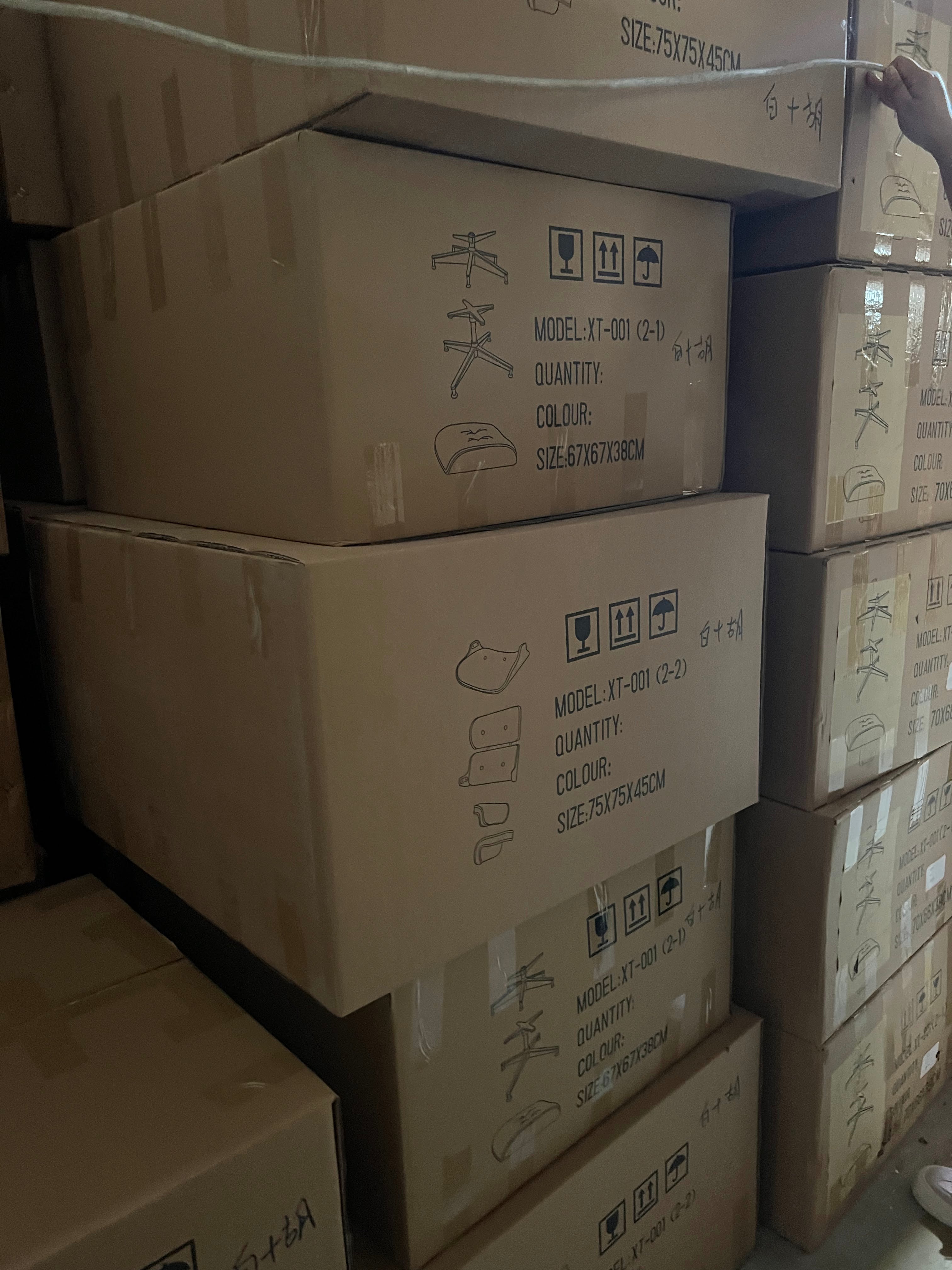
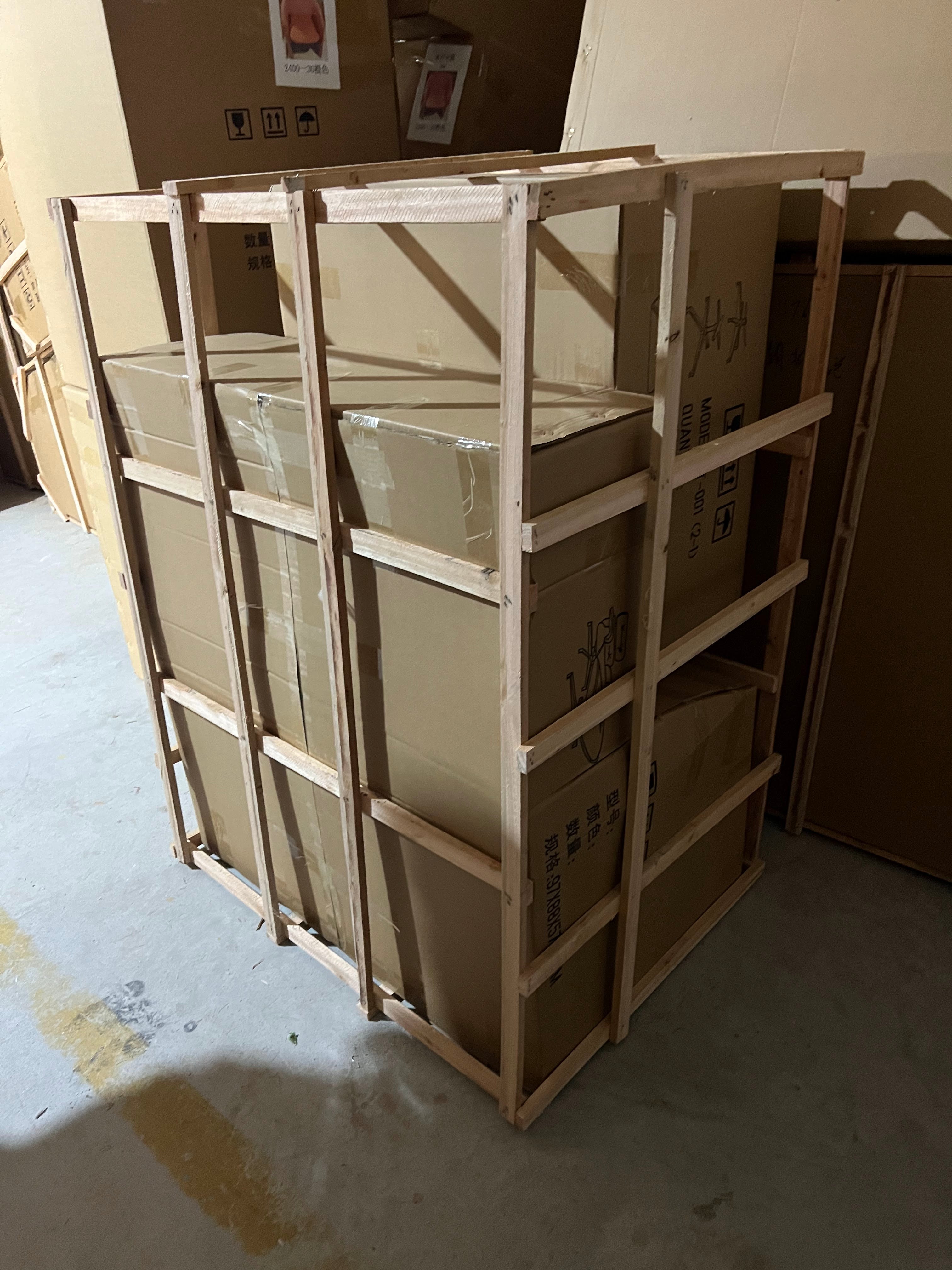
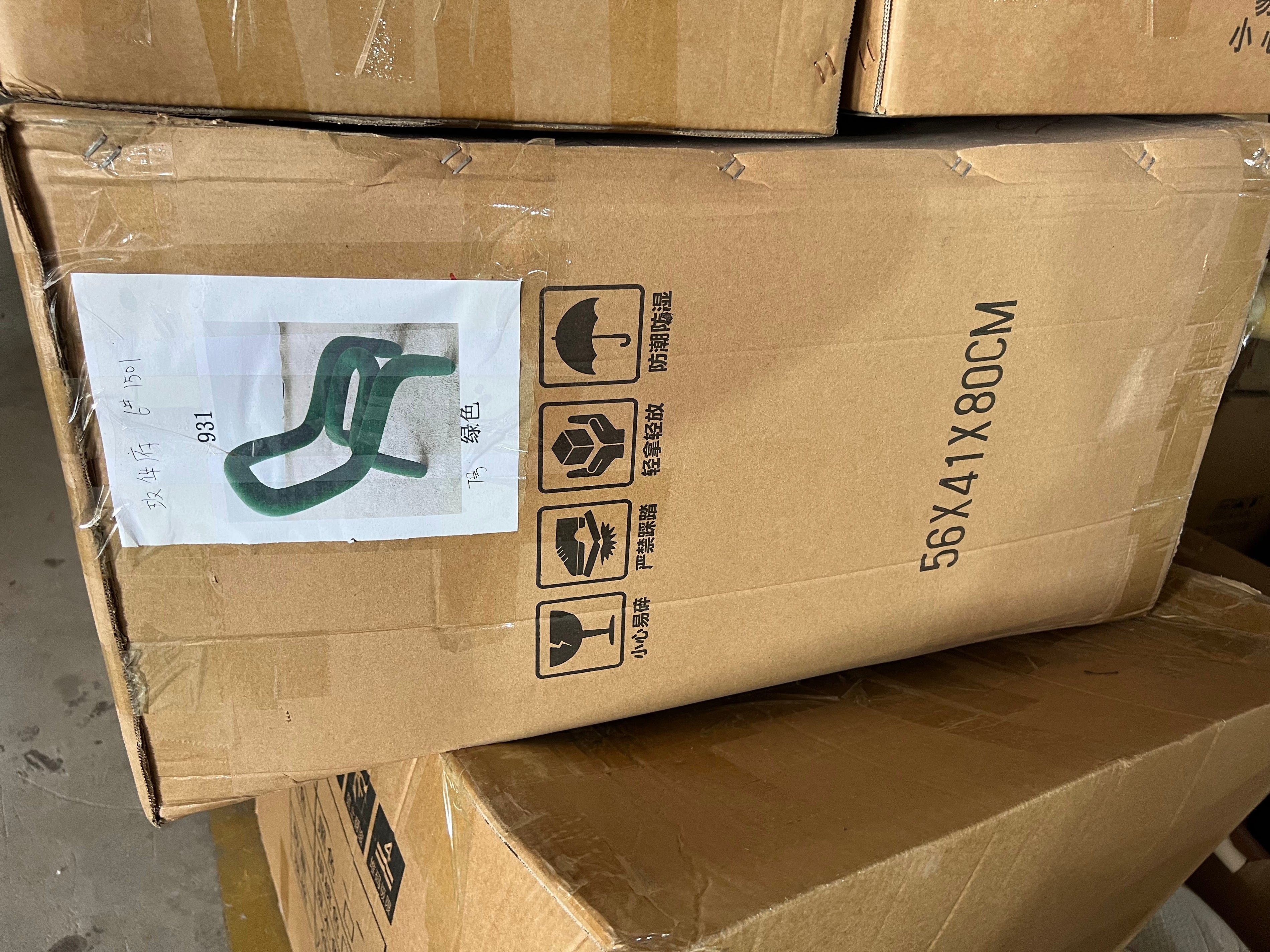
Our packaging is safe, simple, and proudly no frills. We don't think it makes sense to pay for things you throw away immediately.

That's why the Terrace Berber Rug ships in the same protective packaging the manufacturer uses, covered in functional stickers and foreign stamps showing the journey it's been on.
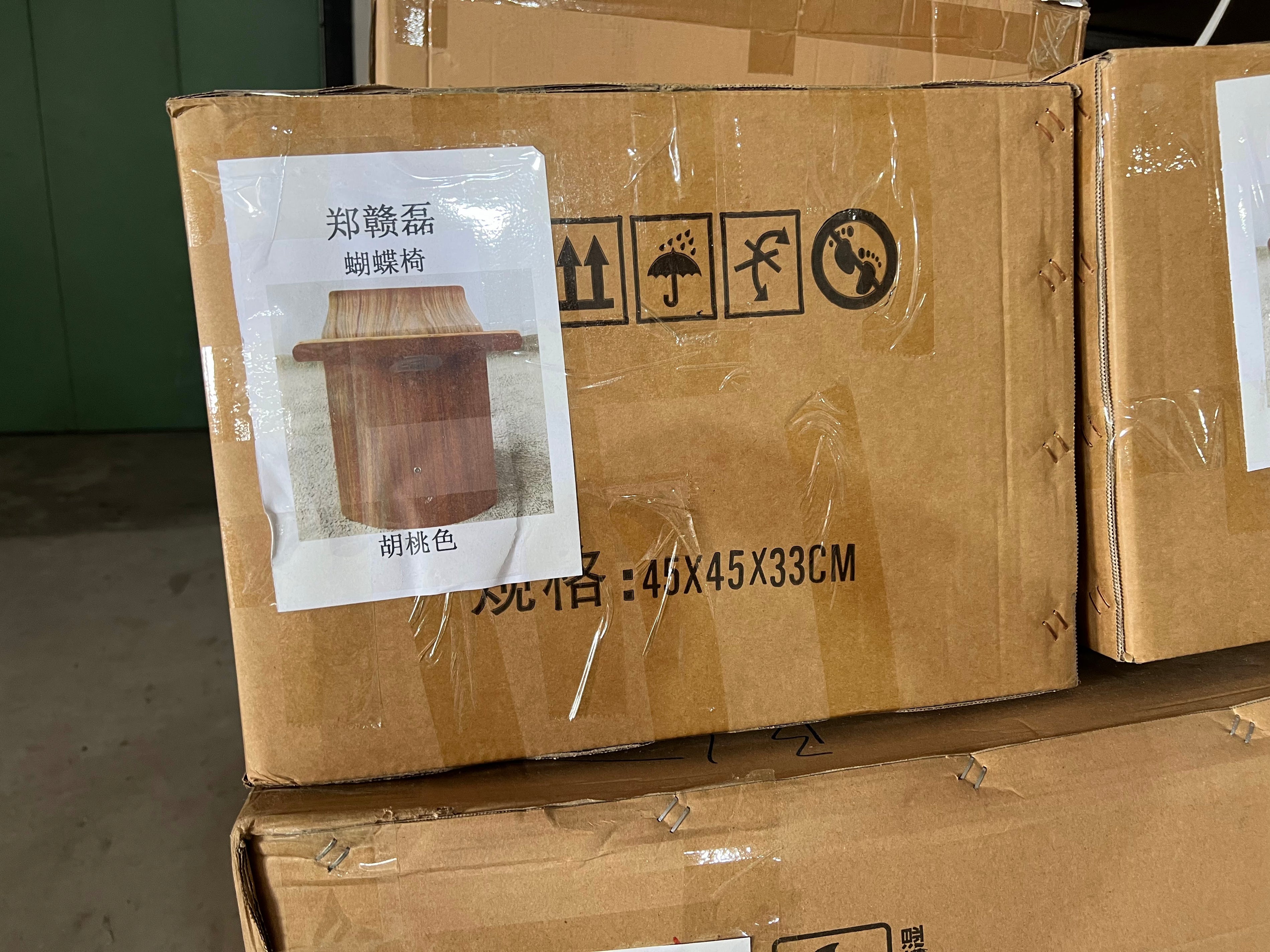
We don't hide it and wear it as a badge of honor for the places our products have been and the people who made them.